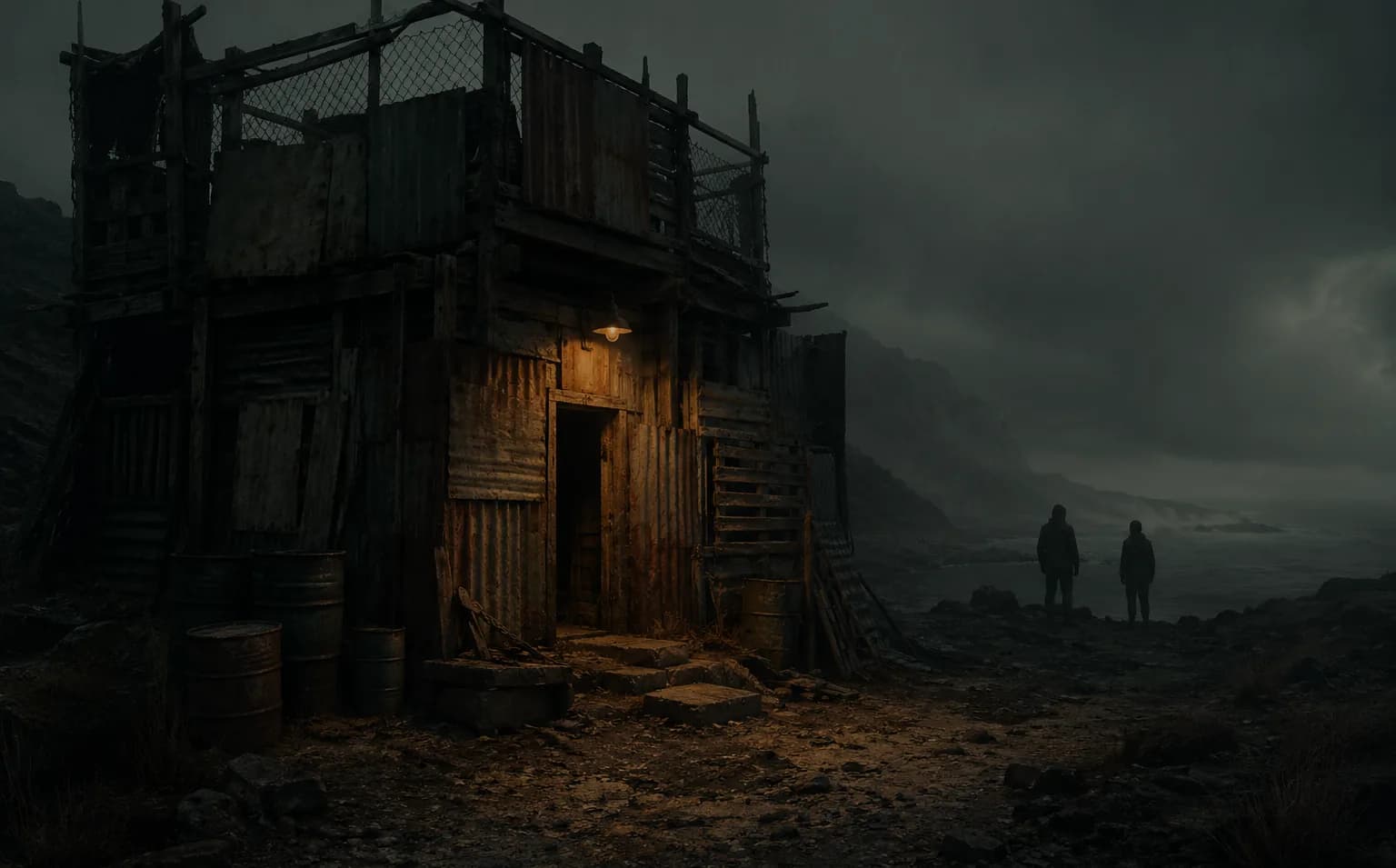
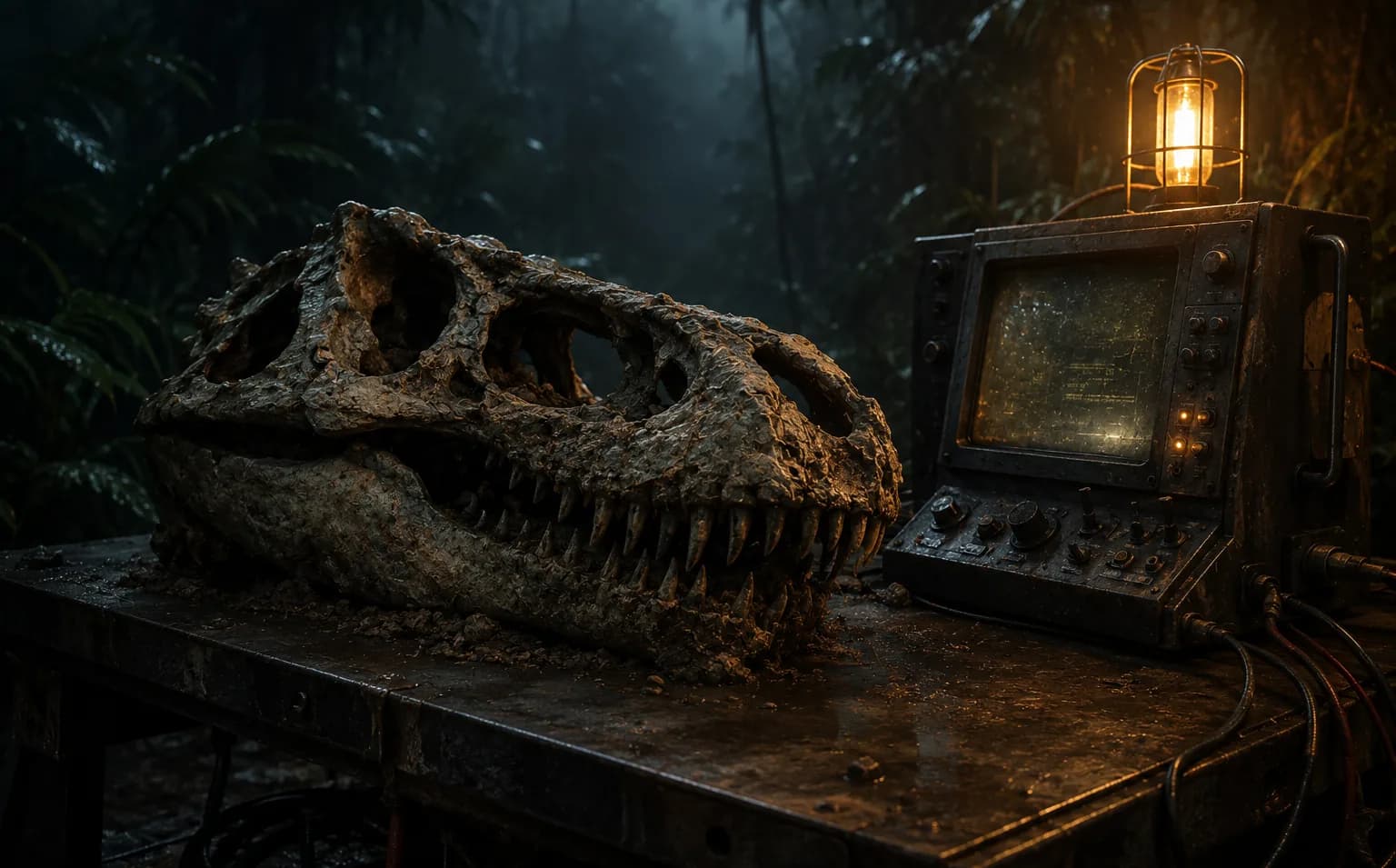
Two mates. One server. A place worth returning to.
The Boneyard began with two long-time players who wanted to build the kind of server they would genuinely choose themselves: dependable, fair, actively maintained and shaped by the people who call it home.
Fair and consistent Built for this community Players before revenue
Before any of this
We grew up with games
Between us, we have spent more than sixty years at a keyboard or controller—and very little of it spent entirely alone.
We came from the era of cartridges, split-screen multiplayer, early home computers, community forums and dedicated servers with names people recognised.
Installing a game sometimes meant learning enough about the computer to make it run. Multiplayer meant sharing a lounge room, finding the same server each night or joining a voice channel full of familiar names.
The technology changed, but the part that mattered most usually stayed the same: the people we played with.
Gaming was never simply something we consumed. It was something we shared.
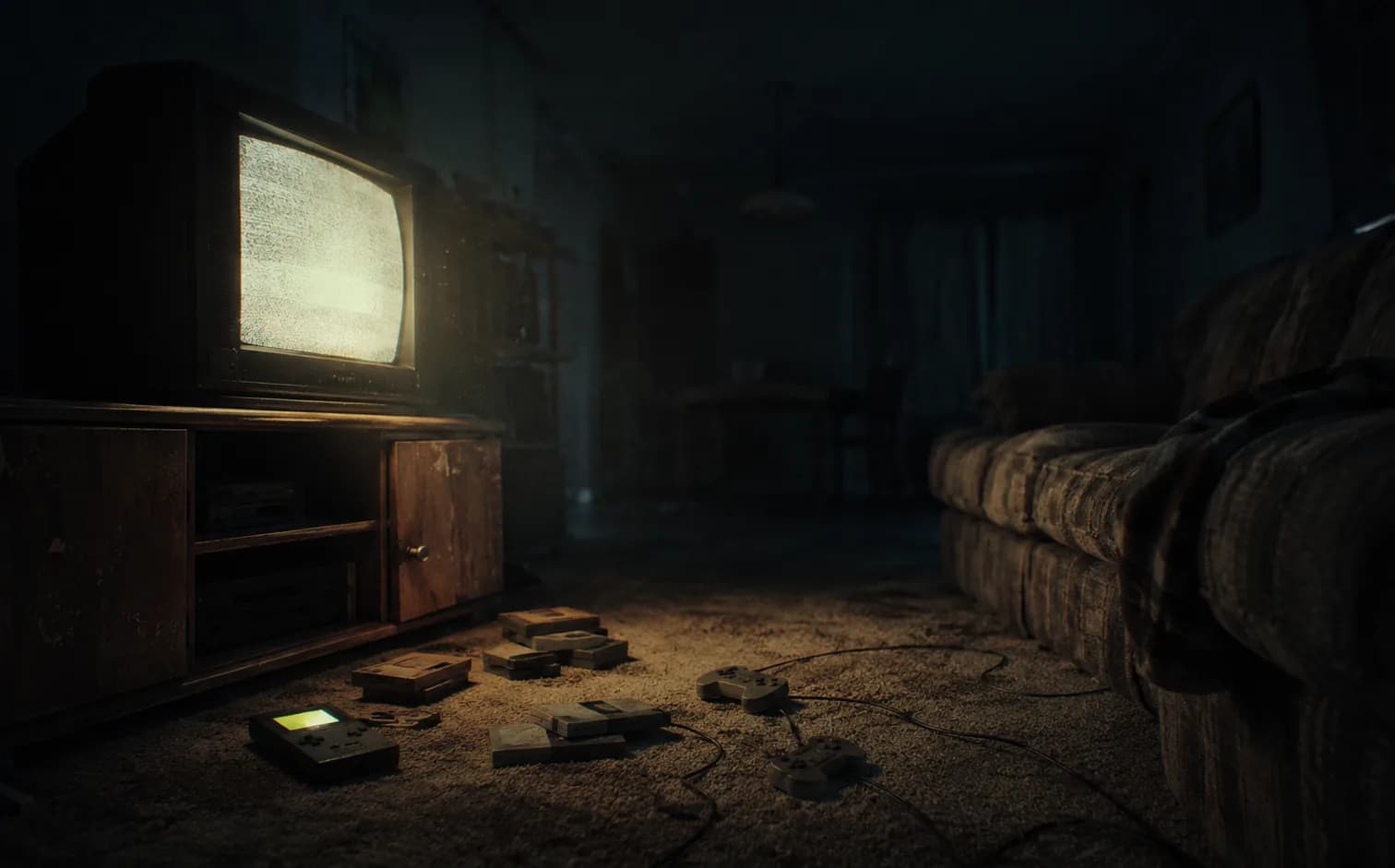
The era before every game needed an account.
When a server had a name, and the name meant something.
The best servers felt like places rather than services. Regular players knew each other. Administrators understood the community. Rivalries, friendships and stories continued well beyond a single session.
Those communities were not always polished or perfectly managed. Some were unstable, chaotic or held together through equal parts determination and improvised repairs.
But the good ones gave players somewhere to belong.
A server can be more than hardware.It can be a place players recognise, return to and help shape.
What changed
Online gaming became easier to enter—and often harder to belong to
Dedicated servers gave way to automated matchmaking. Persistent communities became temporary groups. Games increasingly asked players to keep paying after the original purchase, sometimes for things that once would have been considered part of running a decent server.
We do not believe everything about modern multiplayer is worse, and we do not think the past was perfect. We simply believe something valuable can be lost when communities no longer have a persistent home.
The Boneyard is our attempt to build one.
You already bought the game
Players should not need an expensive package to receive the fundamentals of a good multiplayer experience. A stable server, active administration, fair treatment and clear communication should be the baseline—not luxury features.
Communities are made of people
A healthy server recognises the people behind the Steam names. Decisions should be made carefully, explained where appropriate and applied as consistently as possible.
Support should sustain the server
Our supporter tiers help cover Australian infrastructure, hosting, backups, monitoring, security and continued development. They are deliberately modest because their purpose is sustainability, not extraction.
How The Boneyard began
Two mates and Rust
The founders met through Rust around 2014. It brought back something that had become harder to find: dedicated servers with distinct cultures and enough freedom for players to create their own stories.
The friendship developed through trap bases, questionable construction projects and a shared preference for entertaining ideas over efficient ones.
Neither of us had much interest in following the accepted meta. An absurd plan that created a memorable story was usually more appealing than a sensible one that simply worked.
Whenever we encountered a poor admin decision or watched a community problem handled badly, one of us would eventually begin the same sentence: “If this was our server…”
For years, it was mostly a joke.
Eventually, it became a list.
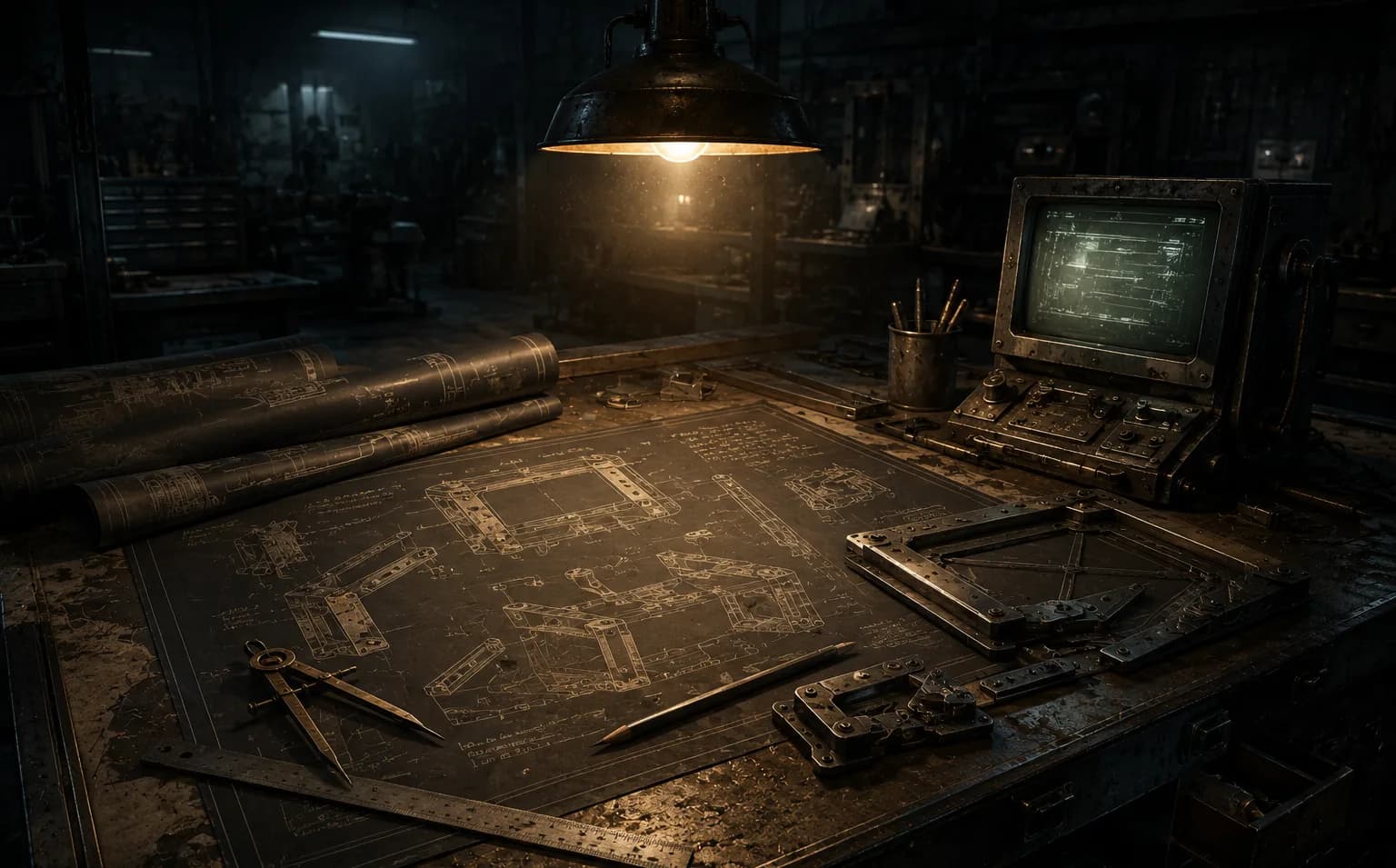
Then it became diagrams, server bills, databases, artwork, late-night validation and a steadily growing collection of systems that needed to be built.
Trap bases, bad ideas, and the start of a long partnership.
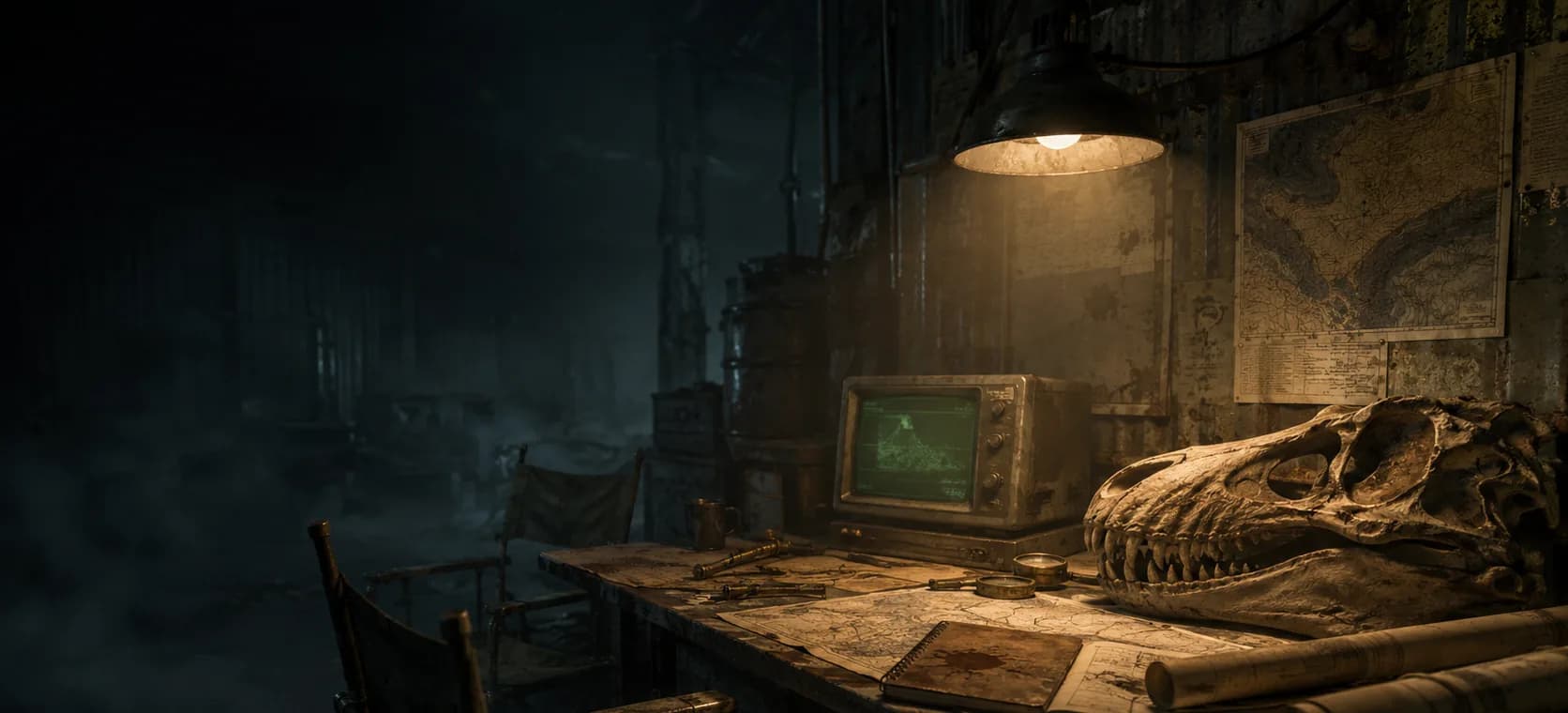
The game that turned a long-running idea into something real.
Why The Isle
The game worth building for
The Isle offered the kind of multiplayer experience we valued: tension, persistence, shared environments and stories that emerge naturally from the people playing.
It also presented opportunities to build stronger community tools, clearer systems and a more dependable player experience.
We did not start The Boneyard because we believed every other community was doing everything wrong. Running a server is difficult. It requires time, patience, technical knowledge and a willingness to make decisions that will never satisfy everyone.
Many communities are operated by people contributing enormous amounts of unpaid work, often with limited tools and little recognition. We understand that much better now than we did while standing on the outside discussing what we would do differently.
We started because we had a clear idea of the server we would personally choose:
Actively maintained Technically dependable Consistent in its administration Clear about how its systems work Respectful of players’ time and money Built around a community with its own identity
We are still learning how to deliver all of that well.
Built for this community
More than a rented game instance
The website, account tools, live map, marketplace, specimen systems, artwork, interfaces, animations and server integrations have been designed, developed or commissioned specifically for The Boneyard.
Some parts were built by us. Others were created by people with specialist skills we did not have. Almost all of it has been revised more times than we would like to admit.
Original web and server systems Purpose-built player services Artwork made for this project No copied community assets
Building original systems takes longer. It also means we understand how they work, can improve them as our needs change and are responsible for the result when something goes wrong.
We believe another community’s creative work should not simply be copied, renamed and presented as original. Taking the longer path gives The Boneyard its own identity—and ensures the work associated with the project genuinely belongs here.
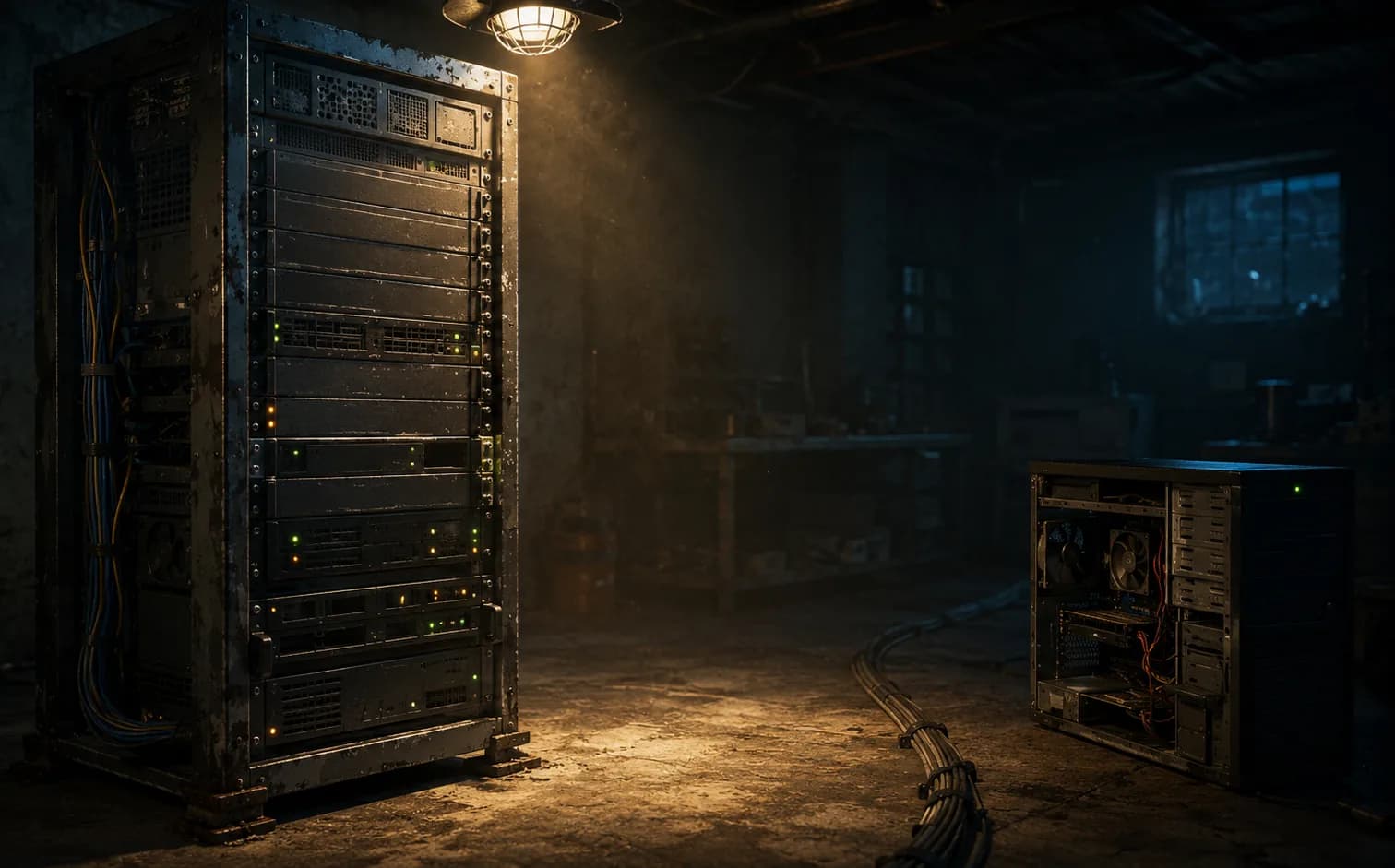
Designed, tested, broken, repaired and improved.The platform continues to change as the community grows.
Designed, coded, tested and revised from the ground up.
The people behind the yard
Meet the founders
Two gaming histories, and what they turned into.
N
Nietzsche
Nietzsche · Founder 001
The engineering underneath
Nietzsche oversees much of the technical foundation behind The Boneyard. His background spans decades of gaming, computer hardware, server administration and technical problem-solving.
He came through the MS-DOS era, the early Blizzard catalogue and years of competitive Counter-Strike communities before eventually meeting Friendly Bandit through Rust.
At The Boneyard, his work includes infrastructure, integrations, deployment systems and much of the machinery connecting the website to the game server.
He is happiest when a complicated system finally works—and considerably less happy when somebody asks why it stopped working five minutes later.
FB
Friendly Bandit
Friendly Bandit · Founder 002
The community built around it
Friendly Bandit focuses on community direction, player experience and the systems built around them.
His gaming history runs through several generations of consoles, computers and multiplayer communities—from early handheld and split-screen games through World of Warcraft, Call of Duty, Rust and Escape from Tarkov.
He has spent years around online communities and the servers supporting them, watching multiplayer games repeatedly gain and lose the qualities that make people stay.
His work at The Boneyard is aimed at a straightforward outcome: a server people want to return to, and a community they feel part of.
This often begins with an idea that sounds simple and ends with Nietzsche explaining why it requires several new services, a database migration and considerably more validation than expected.
The standard we are aiming for
The Boneyard is an ongoing project
It is not finished, and we are not pretending to be experts in everything required to build it.
We will make mistakes.
Features may take longer than expected. Some ideas will change after launch feedback. Decisions that looked sensible at the time may need to be revisited.
What matters is what happens next.
We will keep maintaining the infrastructure, improving the tools, listening to reasonable feedback and explaining our decisions where we can.
We want players to feel like they belong to something—not like they are a wallet waiting to be emptied.
We want The Boneyard to become a place players recognise, return to and feel some ownership of.
Not because we declared it a community. Because, over time, the people here made it one.
From the archives
A couple of old recordings
Friendly Bandit was never a YouTuber. These are old and unpolished, and they are here as history rather than advertising.
Archive recording 01Archive recording 02
The first names in the ledger
The Founding 100
These names stay part of The Boneyard’s history. They are not here because somebody bought the most expensive package. They are here because they backed the project while it was still becoming real.
Founder #001NietzscheServer owner · Infrastructure and engineeringFounder #002Friendly BanditServer owner · Community and systemsNext founding position 003Reserved for the communityEligible annual supporters are awarded the next permanent number after confirmed payment.
The story continues
Maybe your name belongs here.
The Founding 100 opens with the server. Join the Discord, follow the build, and decide whether The Boneyard is the kind of community you want a hand in.